Choosing between Lake Lanier shoreline and a more suburban Hall County neighborhood is not just about views or square footage. It is about how you want your daily life to feel, what kind of property details you are comfortable managing, and how much convenience matters to you. If you are weighing both options, this guide will help you compare lifestyle, access, property setup, and ownership demands in a practical way. Let’s dive in.
Why Hall County Makes This Choice Unique
Hall County is not a place where lake living and everyday convenience sit in separate worlds. The county says Lake Lanier includes 38,000 acres and 540 miles of shoreline, while Gainesville and the county seat area serve as a major hub for healthcare, education, and other services across Northeast Georgia.
That means your choice is usually not between a remote getaway and a suburban center. In Hall County, you are often deciding between waterfront access and a more standardized in-town or suburban experience that still keeps you close to the county’s service base.
Hall County’s 2024 countywide Census figures show an estimated population of 221,745, with 84,560 housing units, a 68.6% owner-occupied rate, a median owner-occupied home value of $350,400, and a mean commute time of 27.3 minutes. Those numbers help frame the market, but the real decision often comes down to lifestyle and property complexity.
Lakefront Living in Hall County
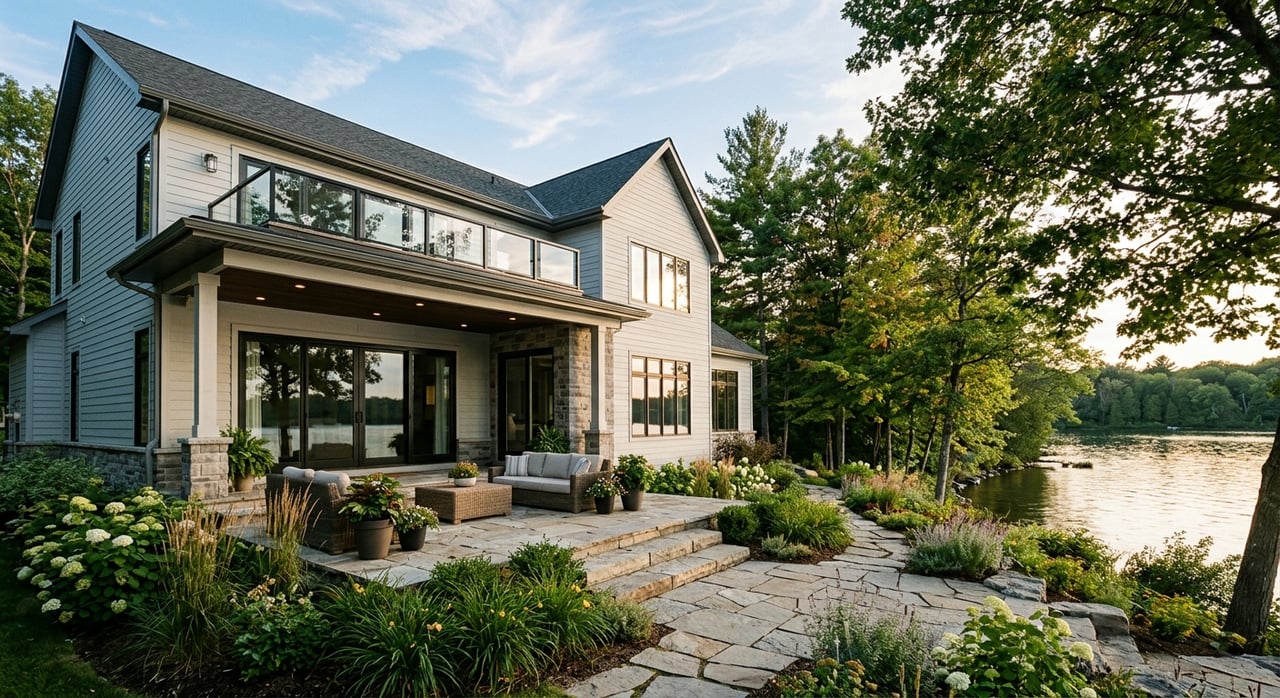
Lakefront living in Hall County is built around recreation, scenery, and direct access to Lake Lanier. For many buyers, that means mornings with water views, weekends on the dock, and a home that feels more like a retreat.
Hall County says Lake Lanier draws millions of visitors, and multiple parks and water-access points are managed by Hall County Parks & Leisure and the U.S. Army Corps of Engineers. That popularity is a major part of the lake’s appeal, but it also means your experience can be shaped by seasonal activity and public access patterns.
What Lakefront Lifestyle Often Feels Like
If you love boating, fishing, paddle sports, or simply being near the water, lakefront property can offer a very different rhythm than a typical subdivision. The setting is often quieter during the week and busier during peak recreation times.
At the same time, lake access is not always as simple as a pretty backyard view. Hall County notes that ramp access can change with lake conditions, and it gave the example of the River Forks ramp temporarily closing because of low lake levels in December 2025.
That tells you something important. A lake home can offer incredible lifestyle value, but access and use may still depend on lake conditions, shoreline rules, and seasonal factors.
What to Expect Beyond the View
With lakefront property, the lot matters just as much as the house. Slope, shoreline condition, drainage, access to the water, and improvement limits can all affect how you use the property over time.
Lakefront ownership also tends to come with more moving parts. Instead of focusing only on the home itself, you may need to think about dock status, shoreline protection, grading, and whether certain improvements require approvals.
Suburban Living in Hall County
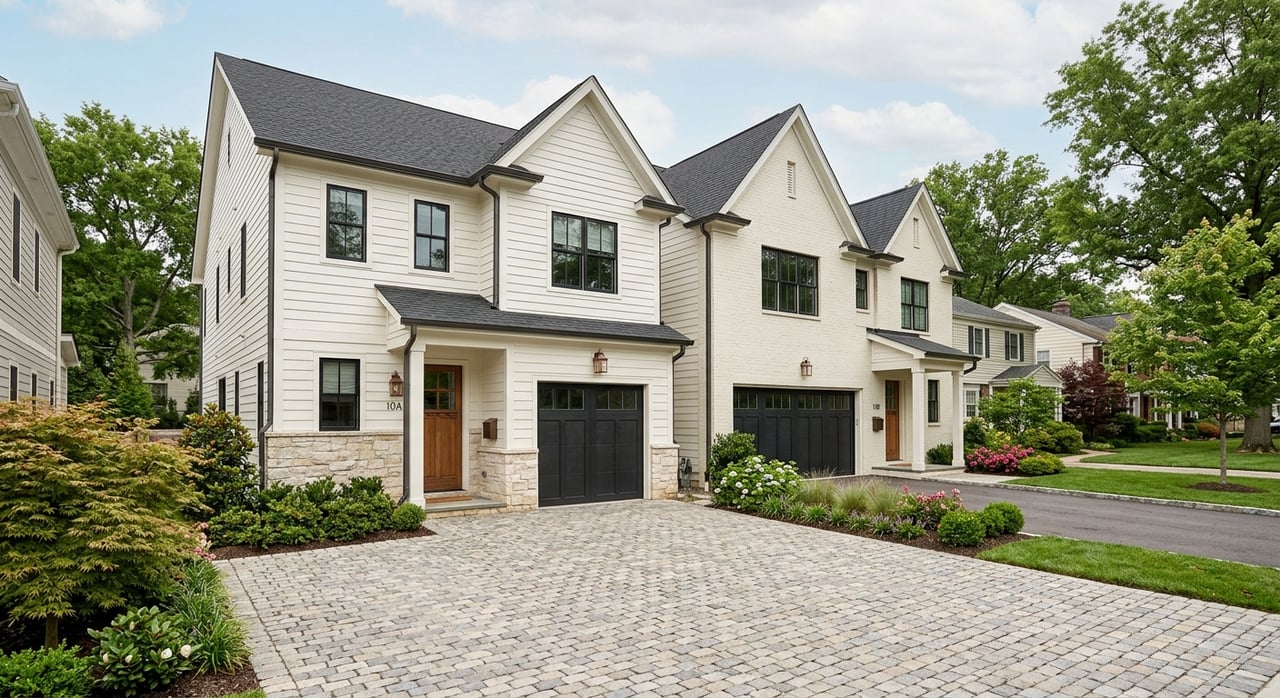
Suburban and in-town Hall County living usually offers a more predictable day-to-day routine. If your priority is easier access to errands, services, and a more standardized neighborhood setup, suburban living may feel simpler and more efficient.
This is especially relevant in the county’s more connected areas. Hall County’s Highlands to Islands trail plan is designed to link destinations such as Gainesville Square, the Hall County Government Center, downtown Oakwood, downtown Flowery Branch, and UNG through a 35-mile trail network.
That kind of planning supports everyday use, not just weekend recreation. It reflects a county that is investing in connected suburban nodes and practical access to local destinations.
What Suburban Lifestyle Often Feels Like
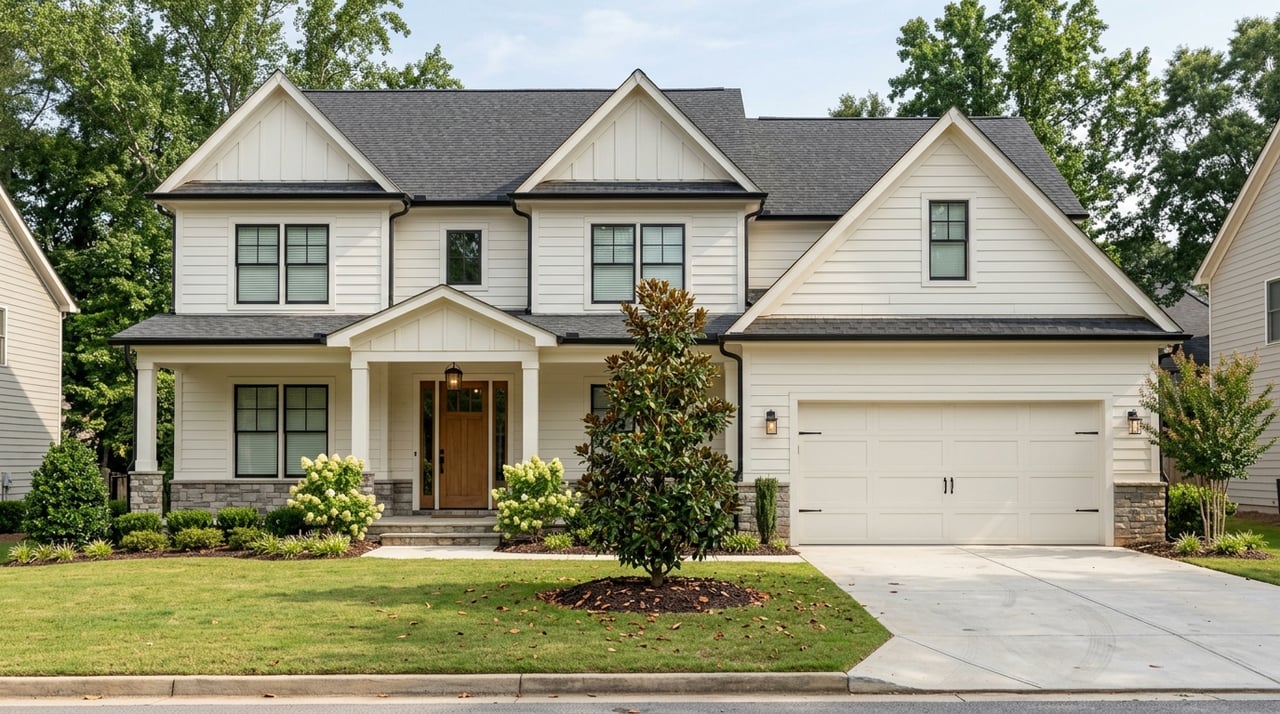
A suburban home in Hall County is more likely to offer repeatable convenience. You may have a neighborhood setting, a more traditional lot layout, and easier access to shopping, services, and local destinations throughout the week.
Compared with many lakefront parcels, suburban lots also tend to be easier to evaluate at first glance. While every property is different, inland neighborhoods generally involve fewer shoreline-related questions and fewer site-specific water access issues.
Daily Access and Commute Patterns
Commute differences across Hall County are real, but they are not extreme countywide. Census data show a mean commute of 24.0 minutes in Gainesville, 27.3 minutes in Hall County overall, and 28.0 minutes in Flowery Branch.
Density helps explain why some in-town and suburban areas may feel more service-oriented. Gainesville has 1,267.6 people per square mile, compared with 516.9 countywide, while Flowery Branch is denser still at 1,319.0 people per square mile.
In practical terms, suburban or in-town living often means a more compact setting with easier access to daily needs. Lakefront living may offer more privacy or recreation value, but that can come with more distance between home and routine stops.
The Biggest Difference: Property Complexity
The clearest contrast between lakefront and suburban living in Hall County is not just price. It is the level of property complexity you may need to manage.
On Lake Lanier, the U.S. Army Corps of Engineers manages the shoreline for adjacent properties on limited-development shoreline. The agency issues Shoreline Use Permits and Licenses, and those permits are limited to five years, are nontransferable, and do not create real estate rights.
That matters because lake ownership may involve shoreline rules that do not apply to a typical subdivision lot. If a property has a dock, riprap, or small shoreline work, those details may need to be verified carefully.
Questions That Matter More on Lakefront Property
When you compare lakefront options, you will usually want clear answers to questions like:
- Does the property already have a valid dock or shoreline-use permit?
- What shoreline improvements are already in place?
- Are there limits on what can be changed or added?
- How do slope, drainage, and access affect use of the lot?
These are not small details. They can shape both your enjoyment of the property and your long-term ownership costs.
Why Lot Review Matters More at the Lake
Hall County’s permitting and review process highlights several site-specific issues that can affect what is possible on a property. County checklists state that activity in floodplains must have a Floodplain Management Plan, and Building Inspections says grading, clearing, grubbing, and driveway installation can trigger land-disturbance permitting.
For lakefront buyers, that means the lot itself deserves close attention. Shoreline position, terrain, erosion concerns, drainage, and access improvements can all matter before you make a decision.
Utilities and Infrastructure Can Vary
Another important difference is how homes are served. Hall County says residential permits involving septic systems require Environmental Health review before the building permit application is submitted, effective March 31, 2025.
The county’s Environmental Health department handles septic systems and well permits, and site plans must show the location of wells and septic systems. The department also offers a site-prior-to-purchase evaluation for on-site sewage systems, which can be especially useful when utility setup varies from parcel to parcel.
Why This Often Affects Lakefront Homes More
Lake-adjacent and lakefront properties may have more variation in how utilities are set up. Some homes may be on public water or sewer, while others may rely on septic systems, wells, or a combination that needs extra review.
Suburban neighborhoods can still vary, so you should always confirm utility status. Still, the county’s subdivision and sewage-management materials suggest that inland suburban lots often come with a more standardized paper trail than waterfront parcels.
Pricing Signals Across Hall County
Hall County’s market is not one-size-fits-all. Census figures show a median owner-occupied home value of $350,400 countywide, while Gainesville is at $382,200 and Flowery Branch is at $442,500.
Owner-occupancy also varies by area. Gainesville shows a 39.2% owner-occupied rate, while Flowery Branch is at 66.7% and Hall County overall is at 68.6%.
These figures do not divide the market neatly into lake versus suburban categories, but they do show that some Hall County submarkets command a premium. In general, buyers should expect pricing to reflect location, lot characteristics, access, and the overall complexity of the property.
Maintenance Tradeoffs to Think About
Every home needs upkeep, but the type of upkeep can look very different. With a suburban home, your maintenance checklist may center on yard care, roof and gutter maintenance, and any neighborhood or HOA requirements.
With a lakefront home, maintenance can become more specialized. Based on the shoreline and permitting framework, owners may need to think about docks, shoreline protection, riprap, access changes, and lake-level variability in a way that suburban owners typically do not.
That does not make one option better than the other. It simply means the ownership experience is different, and the right fit depends on how hands-on you want to be.
Which Option Fits Your Priorities?
If you are drawn to recreation, waterfront scenery, and a property that feels distinct, lakefront living may be the better fit. It can offer a unique lifestyle, but it also asks more of you in due diligence and ongoing property awareness.
If you care most about simpler logistics, more predictable lot conditions, and easy access to daily services, suburban living may align better with your routine. It often offers a smoother path if you want a home that is easier to evaluate and maintain.
For many buyers, the best move is not picking the “better” option. It is choosing the one that matches how you actually live, what level of property complexity you want, and how you define convenience.
When you are comparing Hall County homes, clear local guidance can make a big difference. If you want help weighing lakefront versus suburban options, reach out to Liliana Mcgaughey for personalized support, bilingual communication, and a smoother path from search to closing.
FAQs
What makes Hall County lakefront living different from suburban living?
- Lakefront living in Hall County usually offers stronger recreation and waterfront access, while suburban living usually offers simpler daily convenience, more predictable lot conditions, and fewer shoreline-related ownership issues.
What should you verify before buying a Lake Lanier waterfront home in Hall County?
- You should confirm whether the property has a valid dock or shoreline-use permit, how utilities are set up, and whether the lot is affected by shoreline, floodplain, grading, or drainage restrictions.
How do Hall County commute times compare between Gainesville, Flowery Branch, and the county overall?
- Census data show a mean commute of 24.0 minutes in Gainesville, 28.0 minutes in Flowery Branch, and 27.3 minutes across Hall County overall.
Why do utilities matter more on some Hall County lakefront properties?
- Utility setup can vary by parcel, and Hall County says septic systems and wells require Environmental Health review, which makes it important to confirm whether a home uses public sewer, public water, septic, a well, or a combination.
Is suburban Hall County always less expensive than lakefront Hall County?
- The research does not support a single rule for all properties, but it does show that Hall County submarkets vary, and pricing often reflects location, lot features, access, and property complexity.