Choosing between North Fulton and in-town Atlanta is not just about a map. It is about how you want your weekdays to feel, what kind of home fits your routine, and whether you want more space, more transit access, or a little of both. If you are weighing these two Fulton County lifestyles, this guide will help you compare housing, commute patterns, and everyday rhythm so you can make a more confident move. Let’s dive in.
Why this comparison matters
North Fulton and in-town Atlanta sit within the same county, but they can feel very different in daily life. That is why Fulton County is a useful lens for this decision.
According to U.S. Census QuickFacts for Atlanta and nearby Fulton County cities, Atlanta has a 46.4% owner-occupied housing rate and a $439,600 median owner-occupied home value. Fulton County overall is at 54.3% owner-occupied and $458,800, while Sandy Springs, Alpharetta, and Roswell show higher or more mixed ownership patterns, with median values ranging from $567,100 to $649,000.
In simple terms, in-town Atlanta tends to feel more rental- and infill-oriented, while North Fulton is generally more ownership-oriented and suburban in character. Sandy Springs often lands in the middle as a hybrid option.
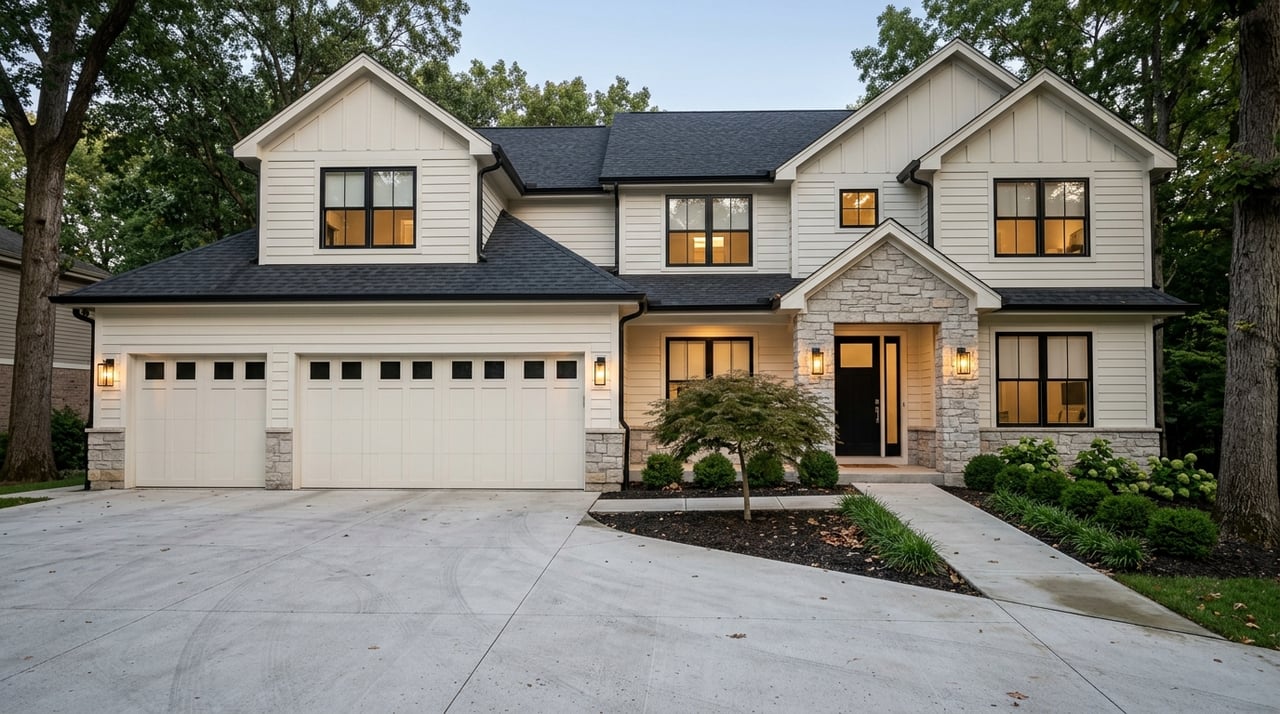
Home styles feel different
In-town Atlanta offers more variety than many people expect
If you picture in-town Atlanta as only condos and high-rises, the full picture is broader. The City of Atlanta says about 60% of the city is zoned exclusively for single-family development, and existing two- and three-family housing is already present in many neighborhoods.
Atlanta also has more than 240 neighborhoods organized into 25 Neighborhood Planning Units. That helps explain why housing can change quickly from one area to the next. You may find condos and apartments near commercial corridors and transit, then bungalow streets, duplexes, and lower-density blocks a short distance away.
North Fulton trends suburban, but not one-note
North Fulton is generally more suburban, but that does not mean every area looks the same. Sandy Springs notes that renters can find options from high-rise living to townhomes and apartment communities, and the city reports 96 apartment complexes, with more under construction.
At the same time, North Fulton cities are more ownership-heavy overall than Atlanta. Roswell and Alpharetta both show higher owner-occupied housing rates and higher median owner-occupied home values than Atlanta, reinforcing the broader pattern of larger, more expensive owner-occupied homes in the northern part of Fulton County.
Commute time is not the whole story
One of the most surprising facts is that average commute times are fairly close. Census data shows average one-way commute times of 26.5 minutes in Atlanta, 27.7 minutes in Fulton County, 25.8 minutes in Sandy Springs, 26.3 minutes in Alpharetta, and 27.4 minutes in Roswell.
That means your decision is usually not about saving a dramatic amount of time on paper. It is more about how that commute works in real life.
In-town Atlanta supports a more transit-connected routine
MARTA’s system map shows a dense cluster of rail stations in and around Midtown and Downtown, including Arts Center, Midtown, North Avenue, Civic Center, Peachtree Center, Five Points, Garnett, and West End. These stations also function as major bus transfer points.
For you, that can mean a commute pattern with more rail access and more options to move around the urban core without always starting with a car trip. If your routine depends on transit access or being close to a wider network of daily destinations, that can be a meaningful advantage.
North Fulton leans more drive-first
North Fulton often works better for people who do not mind driving to transit or driving most places directly. MARTA says North Springs is the last station on the Red Line, with more than 2,300 parking spaces, access from GA400, Zipcars, and bus connections.
That setup is practical, especially if you want suburban living with a rail option available. But it is usually a different lifestyle pattern than walking out your door to a cluster of nearby transit stops.
Daily lifestyle rhythm is the real tradeoff
For many buyers, the biggest difference is not the house itself. It is how your week feels once you live there.
In-town Atlanta feels neighborhood-based
Atlanta’s official city resources highlight a connected, neighborhood-driven lifestyle. The city points to more than 350 parks, public-realm programs such as Love Our Places and Atlanta Streets Alive, and walkable commercial districts like East Atlanta Village and Little 5 Points.
That creates a pattern where errands, dining, parks, and local events can feel woven into everyday life. Depending on where you live, it may be easier to move between several destinations in one outing without fully shifting into car-first mode.
North Fulton feels destination-based
North Fulton often functions through strong activity hubs. In Sandy Springs, the City Springs master plan describes a 14-acre mixed-use development with a walkable street grid, green space, dining, retail, housing, and year-round programming.
Roswell has also invested in connectivity. Its bicycle and pedestrian planning is designed to connect residents to parks, the Historic District including Canton Street, and the Chattahoochee River, while Sandy Springs has added the Springway Trail connection between Roswell Road and Morgan Falls Overlook Park.
In practice, North Fulton often means you drive to a destination, park, and then enjoy a walkable experience once you are there. That can be a great fit if you want suburban home patterns with concentrated lifestyle hubs rather than a more continuous urban grid.
Which lifestyle may fit you best
North Fulton may fit if you want:
- More ownership-oriented housing choices
- A more suburban setting overall
- Larger homes or homes that may offer more space
- Activity centered around mixed-use hubs and destination districts
- A drive-first routine with transit as an option in select areas
In-town Atlanta may fit if you want:
- More neighborhood variety across a smaller geographic area
- Stronger rail access in the urban core
- A mix of housing types, including condos, apartments, bungalows, and duplexes
- Easier access to parks, local business districts, and events woven into daily life
- A routine that may involve less dependence on driving for every stop
The Sandy Springs exception
If you feel stuck between the two, Sandy Springs deserves a closer look. It often bridges the gap between North Fulton and in-town Atlanta.
The city offers a mix of multifamily and single-family housing, access to MARTA via North Springs, and walkable mixed-use activity at City Springs. That combination makes it one of the clearest examples of a place where you can get some suburban patterns with a more connected lifestyle than many buyers expect.
How to make the right choice
When average commute times are similar, the better question is not “Which area is faster?” It is “Which daily routine feels better for me?”
As you compare North Fulton and in-town Atlanta, think about:
- How often you want to drive for errands and dining
- Whether rail access matters to your weekly routine
- How much home space you want relative to location convenience
- Whether you prefer a neighborhood web or destination-style hubs
- What type of housing you actually see yourself enjoying long term
The right answer depends less on labels like urban or suburban and more on how you want to live day to day.
If you are planning a move in north metro Atlanta and want help narrowing down the best fit for your lifestyle, connect with Liliana Mcgaughey. You will get personalized guidance, bilingual support, and a hands-on approach that helps make your next move feel clearer and less stressful.
FAQs
Is in-town Atlanta only condos and apartments?
- No. The City of Atlanta says about 60% of the city is zoned for single-family development, and many areas also include smaller multifamily housing such as duplexes and triplexes.
Is North Fulton completely suburban and car-dependent?
- No. North Fulton is more suburban overall, but Sandy Springs includes multifamily housing, mixed-use districts like City Springs, and MARTA access at North Springs.
Are commute times much shorter in North Fulton or in-town Atlanta?
- Not by average minutes alone. Census data shows commute times are fairly close, so the bigger difference is whether your trip is more rail-based, park-and-ride, or highway-based.
What is the biggest lifestyle difference between North Fulton and in-town Atlanta?
- The biggest difference is often daily rhythm. In-town Atlanta tends to feel more neighborhood-connected, while North Fulton often centers around driving to destination hubs and walking within them.
Is Sandy Springs a good middle-ground between North Fulton and in-town Atlanta?
- For many buyers, yes. Sandy Springs combines a more mixed housing profile with MARTA access, multifamily options, and a walkable mixed-use center at City Springs.