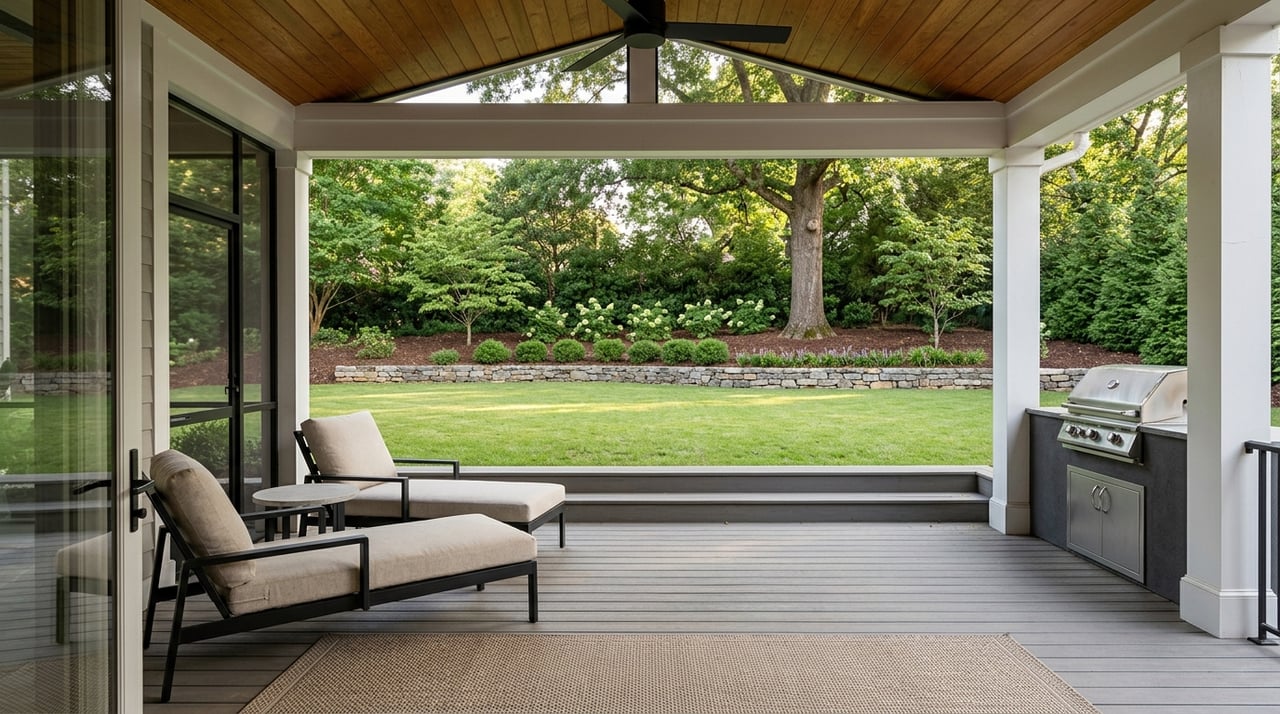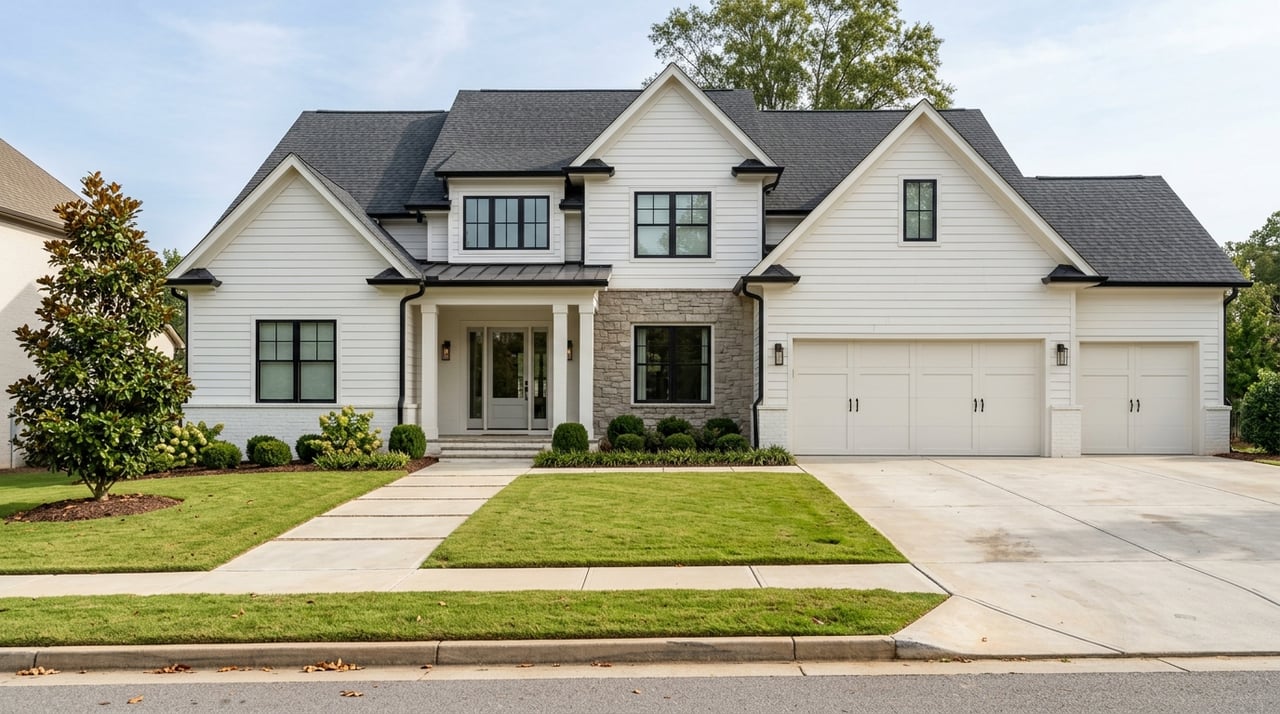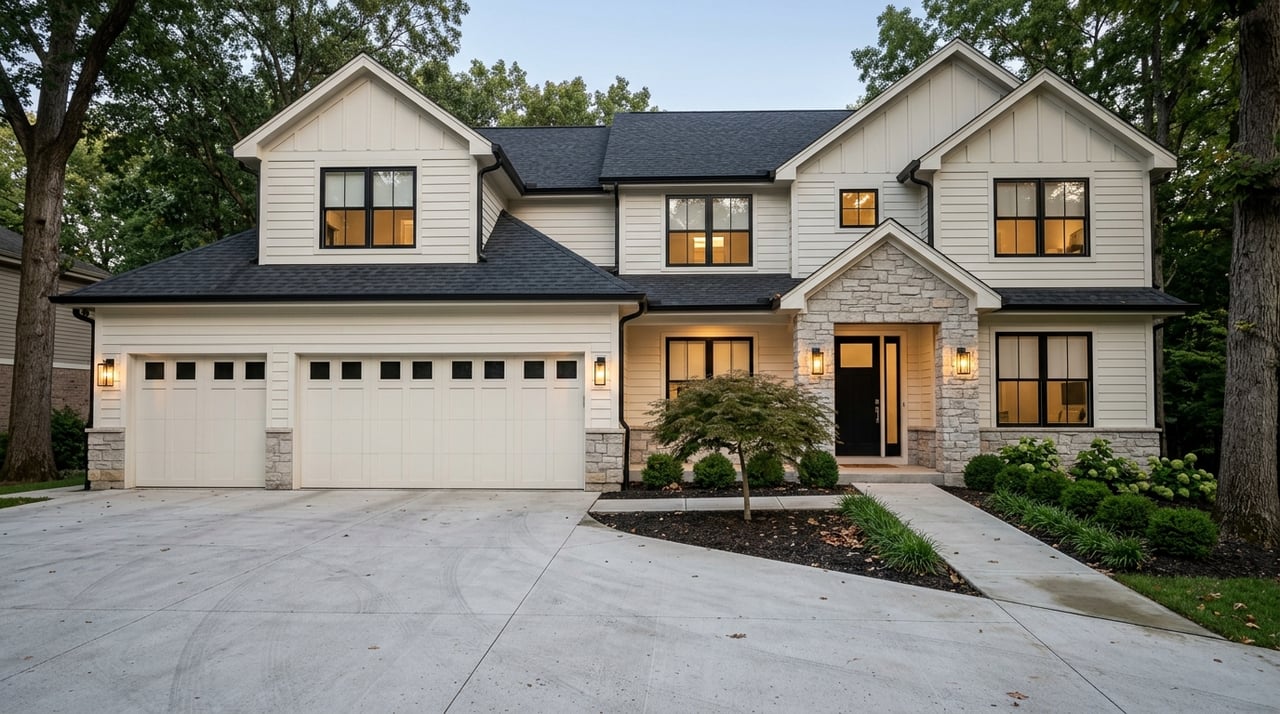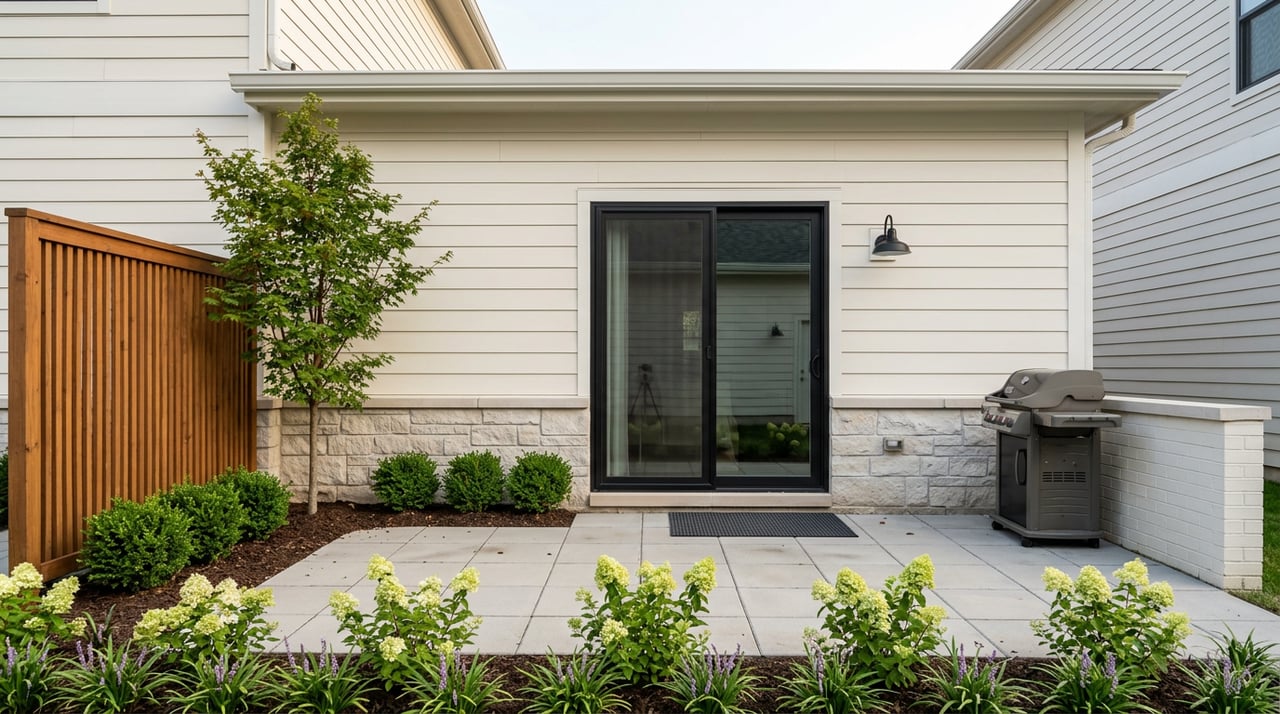
Trying to decide between a townhome and a single-family house in Gwinnett County? You are not alone. Budget, commute time, and how much maintenance you want to handle all play a role in the right choice. In this guide, you will compare monthly costs, HOA tradeoffs, financing rules, insurance, and resale. Let’s dive in.
Gwinnett snapshot: prices, stock, taxes
Home values in Gwinnett sit in a mid-priced band for metro Atlanta. According to Zillow’s Home Value Index for Gwinnett County, the average value was about $403,629 as of January 2026. Most of the local housing stock is single-family, which shapes buyer demand and resale comps. American Community Survey data show roughly 72 percent detached homes and about 6 percent attached townhouses in Gwinnett’s total units, based on county ACS profiles (Gwinnett ACS DP04).
Property taxes matter for your monthly budget. The county’s 2025 adopted total for unincorporated Gwinnett lists 34.86 mills, though city and special district components vary by address. You should verify the exact rate for any parcel using the county’s resources (Gwinnett Tax Commissioner millage overview). The county’s average commute time is about 33 minutes, which is a helpful anchor when you weigh location against home type.
Quick take: who each home type fits
- Townhome: You want lower exterior maintenance, predictable HOA-covered services, and often closer-in locations. You accept rules and shared walls to save time.
- Single-family: You want a private yard, more control over the property, and the widest buyer pool for long-term resale. You are comfortable budgeting for variable maintenance.
Townhome vs single-family at a glance
| Factor | Townhome | Single-family |
|---|---|---|
| Monthly costs | HOA dues commonly around $150–$350 per month in many Gwinnett communities, which must be counted in affordability (local examples). | No HOA in many neighborhoods, but budget for lawn care and variable repairs that can equal a predictable HOA in some months. |
| HOA coverage | Often includes landscaping, exterior maintenance, common-area insurance, amenities, and sometimes trash. Coverage varies, so review the documents and reserve study (CAI guidance). | Rarely an HOA, or more limited scope. You are responsible for exterior and yard. |
| Maintenance time | Less owner time on exterior and grounds. Lower surprise risk for shared components managed by HOA. | More owner time for yard, roof, driveway, and exterior. Build a reserve using the 1–3 percent annual rule of thumb (maintenance budgeting). |
| Privacy and outdoor space | Shared walls and smaller private yards. Often closer to amenities and services. | Larger lots and private yards are common, offering more flexibility for outdoor living. |
| Financing | If legally a condominium, project-level eligibility can affect loan options and timelines. Fee-simple townhomes often finance like houses. Check early with HUD and your lender (HUD condo lookup). | Standard single-family financing paths. No project approval needed. |
| Insurance | Typically an HO-6 walls-in policy that complements the HOA’s master policy. Read where the master policy stops (HO-6 overview). | Typically an HO-3 homeowners policy covering the dwelling exterior and interior. |
| Resale dynamics | Appeals to first-time buyers, downsizers, and those seeking low maintenance. Financing or HOA issues can affect demand. | Generally draws a broader buyer pool in many markets, which can support liquidity in different cycles (local market context). |
What HOAs usually include and why it matters
In many Gwinnett townhome communities, the HOA manages exterior maintenance, landscaping, common-area insurance, and amenities like pools or walking paths. Some communities also include trash or termite bonds. This can create a simpler, more predictable monthly spend.
Always confirm the details. Review the HOA budget, reserve study, insurance master policy, and meeting minutes before you buy. The Community Associations Institute recommends that you pay close attention to reserve levels, delinquency rates, and any pending litigation or special assessments because they can change costs and affect resale eligibility for some loans (CAI’s guidance on association finances).
How to compare your true monthly cost
Use this simple checklist to build apples-to-apples budgets for a Gwinnett townhome and a single-family home at the same price point:
- Price and loan terms: Get a pre-approval and confirm your down payment, interest rate type, and estimated monthly principal and interest.
- Property taxes: Look up the address-specific millage rate. The unincorporated total of 34.86 mills is the 2025 reference point, but city or special district layers can change your bill. Use the county’s resources for accuracy (Gwinnett millage overview).
- HOA dues: For a townhome, include monthly dues and any known special assessment. Local examples show many townhome HOAs between $150 and $350 per month, but verify the actual community’s current rate (example listing data).
- Maintenance reserve: Use the 1–3 percent of home value per year rule to estimate routine upkeep and capital replacements. Older homes and larger yards often push the percentage higher. Townhomes may shift some exterior costs to the HOA, but interior systems are still your responsibility (maintenance budgeting guide).
- Insurance: Townhomes in condominium projects usually pair an HO-6 policy with the association’s master policy. Single-family homes typically use an HO-3 policy. Read the master policy to see where your coverage must begin (HO-6 vs HO-3 overview).
- Commute and utilities: Add commuting costs and time to your monthly picture. Compare utility estimates, especially if square footage or building age differs.
Pro tip: Put these side by side for a 3-year view. That helps you see if a higher HOA is still a win compared to yard care and variable exterior repairs on a single-family home.
Financing checks that can save your deal
Not all townhomes are the same in the eyes of a lender. Two quick checks can prevent surprises:
- Confirm the legal structure: Is the property fee simple or legally a condominium? If it is in a condominium project, some loans require project-level approval. Use HUD’s condo lookup tool early if you are considering FHA or VA financing.
- Ask your lender about project reviews: Conventional loans often require a condo project review. Lenders use Fannie Mae’s Condo Project Manager to evaluate eligibility, which can affect timelines and approvals (Fannie Mae CPM).
Remember, lenders always count HOA dues in your housing ratio. A high monthly HOA or a special assessment can lower your borrowing capacity.
Insurance basics: HO-6 vs HO-3
If you buy a townhome in a condominium project, you will likely carry an HO-6 policy that covers interior finishes, personal property, liability, and loss assessment protection. The association’s master policy handles the building shell and common areas. Coverage lines vary, so read the master policy carefully.
For a detached single-family home, you will typically buy an HO-3 policy that covers the full dwelling exterior and interior, plus personal property and liability. Work with your lender and insurance advisor to align coverage with the HOA’s master policy if applicable (HO-6 coverage overview).
Resale and long-term value
Resale depends on location, condition, and financing availability. Single-family homes often draw a broader buyer base because of the land component and outdoor space. Townhomes can perform well, especially in amenity-rich or walkable areas that attract buyers seeking lower maintenance. In all cases, rely on local comps by property type and keep an eye on how financing eligibility within an association may expand or limit your buyer pool (Gwinnett market context).
How Liliana helps you decide with confidence
You deserve clear, local guidance and a smooth path to closing. Here is how we make that happen:
- Early triage of your priorities: budget, commute tolerance, maintenance appetite, and desire for outdoor space. We turn this into a simple must-have list to focus your search.
- Financing pre-check: We coordinate with your lender to confirm condo or project eligibility and surface any FHA, VA, or conventional review steps before you fall in love with a home (HUD condo lookup; Fannie Mae CPM).
- HOA packet review: We request and summarize the HOA budget, reserves, insurance, meeting minutes, and rules so you can spot red flags like low reserves or frequent special assessments (CAI guidance).
- Comparative cost memo: We build a 3-year side-by-side of PITI, HOA, estimated maintenance, taxes, and insurance using your actual addresses and the county millage reference (millage overview).
- Insurance and inspection coordination: We align the HOA master policy with your HO-6 or HO-3 quote and schedule inspections that focus on big-ticket systems.
- Negotiation levers: If the HOA shows near-term assessments or other risks, we negotiate credits or price adjustments to protect your budget.
Ready to explore homes in Gwinnett?
Whether you want low-maintenance living in a townhome or the freedom of a single-family home, you can make a smart move with a clear plan. Let’s compare real monthly numbers for the addresses you like, review HOA details, and map financing so there are no surprises. Connect with Liliana Mcgaughey to get started.
FAQs
How do HOA fees change a townhome’s monthly cost in Gwinnett?
- Many townhome HOAs locally run about $150–$350 per month. Add this to mortgage, taxes, and insurance, then compare to a house without HOA but with lawn and repair costs you would pay directly.
Can I use FHA or VA loans on a Gwinnett townhome?
- If the townhome is part of a condominium project, FHA or VA may require project approval or a single-unit approval. Fee-simple townhomes often finance like houses. Check eligibility early using HUD’s lookup and your lender’s guidance.
What should I look for in an HOA before buying a townhome?
- Review the budget, reserve study, insurance master policy, meeting minutes, and litigation history. Red flags include low reserves, high delinquency, pending special assessments, or strict rental caps.
How should I budget for single-family home maintenance?
- A practical rule is 1–3 percent of the home’s value per year, with older homes and larger yards requiring more. Spread this into a monthly reserve to avoid surprises.
Do townhomes appreciate less than single-family homes in Gwinnett?
- It depends on location, supply and demand, and financing eligibility. Single-family homes often have a broader buyer pool, while modern townhomes in amenity-rich areas can perform well. Use local comps by property type to set expectations.